Customs & Compliance · Belgium
Customs formalities and maritime compliance in Belgium
Customs is where cargo either clears smoothly or sits waiting. This page covers the formalities, documentation, and Belgian regulatory context that apply before your goods move, so you can prepare the right papers and understand what the checks involve.
Pacific Ocean Shipping & Solutions · Raveschoot 22, 9080 Lochristi, Belgium
Customs support desk: +32 9 981 59 03
What customs formalities cover
Import and export declarations, duty and VAT treatment, and the supporting documents that back them up. In Belgium these are douaneformaliteiten handled through the customs authority, and they apply to cargo entering or leaving the country by sea, road, rail, or barge.
The declaration has to match the goods and the invoice. Mismatches are the most common cause of hold-ups, and they are avoidable when the paperwork is checked before the container loads.
Sea, road, rail, barge
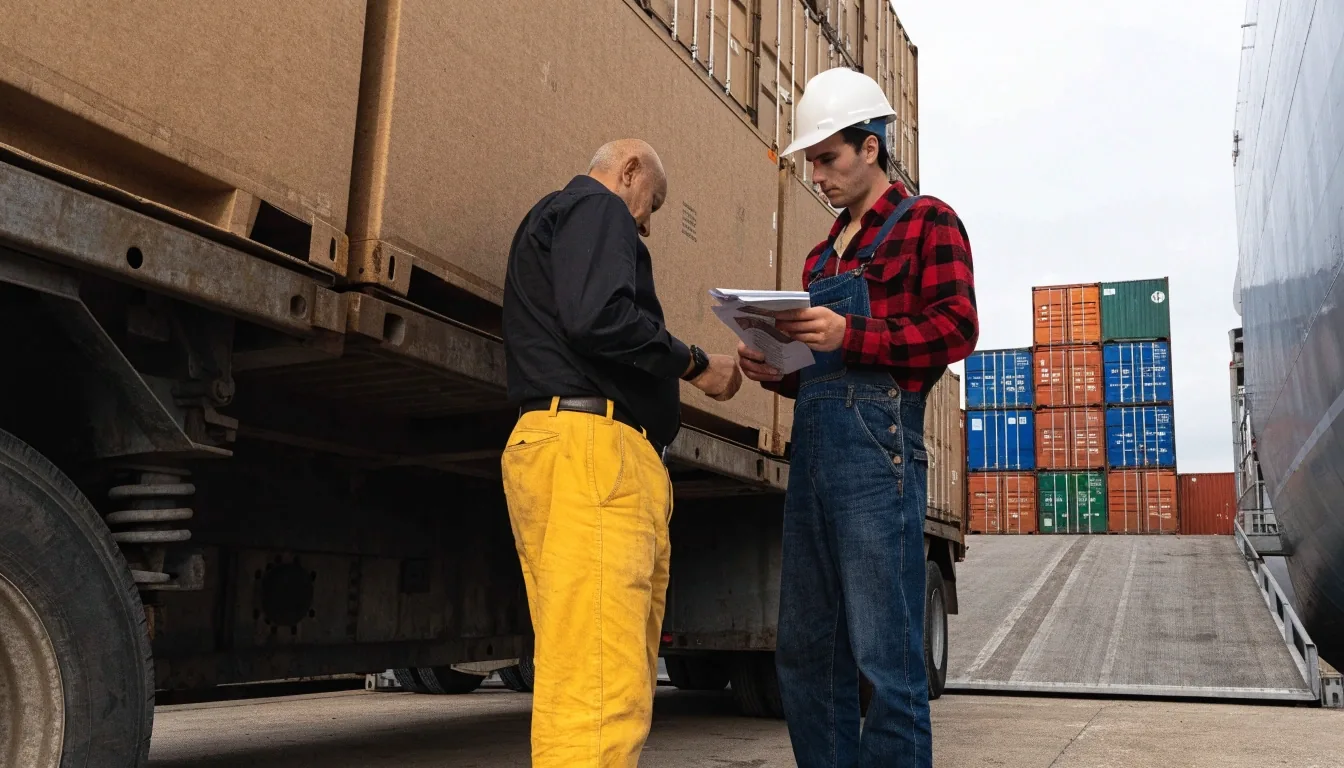
Declarations apply whichever mode carries the goods out of or into Belgium.
Duty and VAT treatment
Both are set on the declaration, so the declared value and origin matter.
Documents that back it up
Every declaration needs the paperwork behind it to be retrievable.
Documents your shipment needs
A commercial invoice, packing list, and bill of lading form the core set. Depending on the goods, you may also need certificates of origin, health or phytosanitary certificates, or hazardous goods declarations.
We tell you which documents apply to your consignment before it ships, so nothing is missing at the border. Preparing them early is cheaper than correcting them after arrival.
Check your documentationCommercial invoice
States the goods, the value, the parties, and the sale terms. The declaration is built from it, so it is the first document to get right.
Packing list
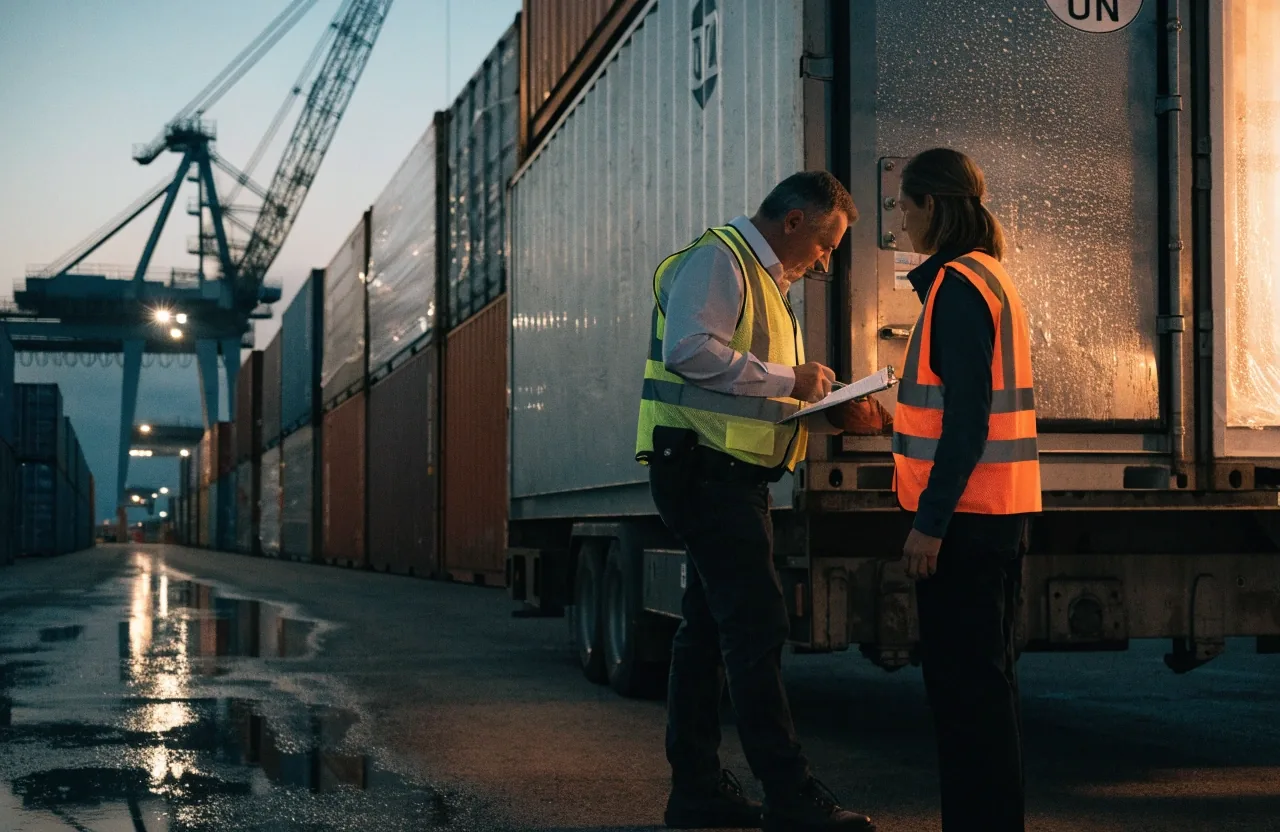
Sets out packages, weights, and marks per item. It is what lets an inspection match the container contents to the declaration.
Bill of lading
The carrier's transport document and receipt. It ties the shipment to the vessel, the port of loading, and the consignee.
Certificate of origin
Required when a preferential duty rate is claimed. Without the right proof of origin, the reduced rate does not apply.
Health or phytosanitary certificate
Applies to food and plant products, which may also need inspection on arrival at the Belgian entry point.
Hazardous goods declaration
Needed for chemical cargo, alongside safety data sheets and specific handling instructions for the carrier and terminal.
The Belgian regulatory framework
Maritime transport in Belgium is a federal matter. The Directorate-General of Maritime Transport is the core federal actor, and it shapes safety and compliance requirements for vessels in Belgian waters.
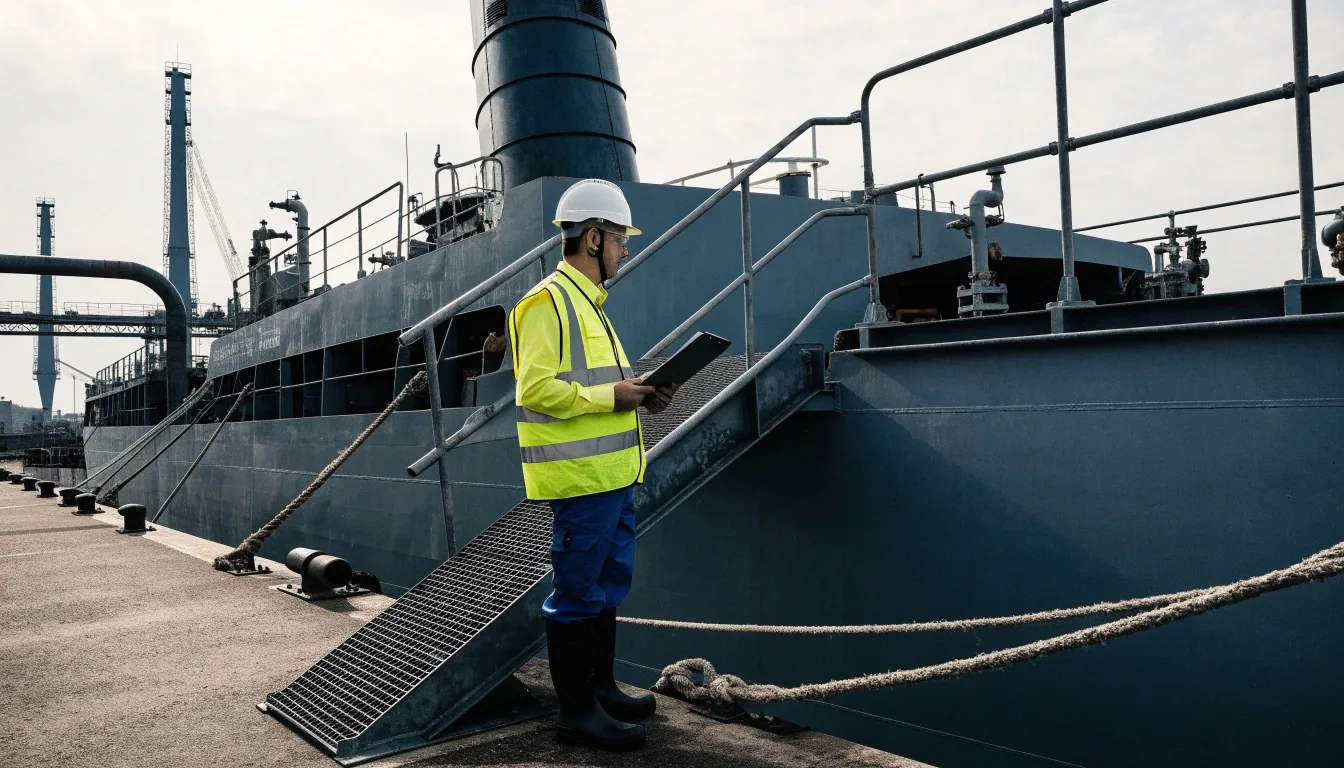
Belgium also applies port state control under the Paris Memorandum of Understanding, which means foreign vessels calling at Belgian ports are inspected against international standards. That framework affects scheduling and, occasionally, whether a vessel sails on time.
Federal maritime authority
Safety and compliance requirements for vessels in Belgian waters sit with the federal maritime administration, not with the individual port.
Paris Memorandum inspections
Foreign vessels calling at Belgian ports are checked against international standards, which is why carrier and vessel choice belongs in route planning.
A ship held for deficiencies does not move, and the cargo on board waits with it.
That is why compliance work and route planning are not separate jobs here.
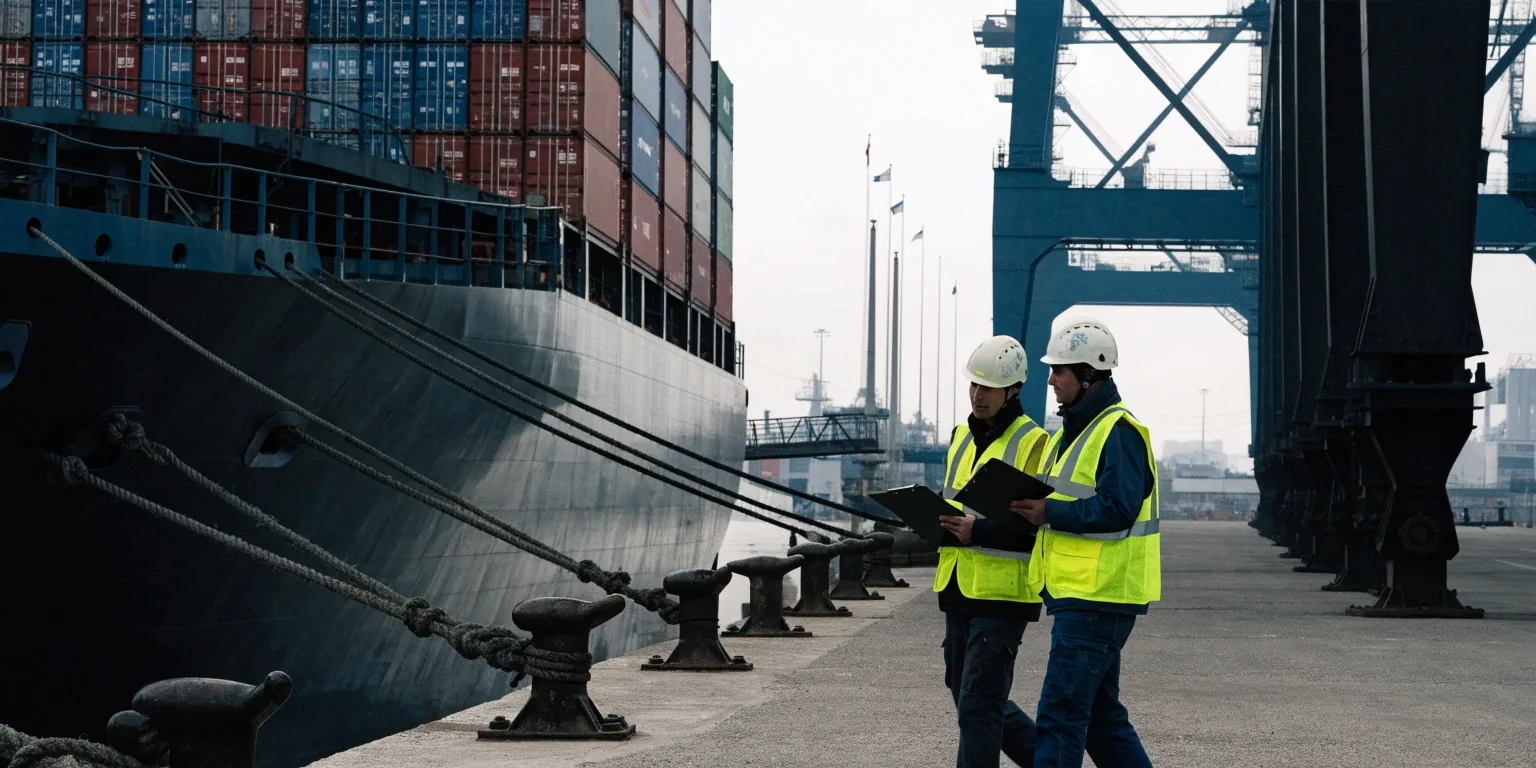
Port state control and what it means for cargo
Port state control inspections check that a vessel meets international safety, pollution, and labour standards. A ship detained for deficiencies does not move, and cargo on board waits with it.
This is rare on well-run carriers, but it is a real scheduling risk. When we plan a route, we factor in the carriers and vessels least likely to run into inspection problems. That is part of compliance work, not separate from it.
If a berth window is tight, tell us early. Booking that assumes the vessel sails exactly on schedule leaves no room for an inspection that runs long, and the cost of a missed slot lands on the cargo owner.
What the inspection looks at
- Safety equipment — life-saving and fire-fighting gear checked against international standards.
- Pollution prevention — how the vessel manages oil, ballast water, and waste on board.
- Crew and labour standards — living conditions, working hours, and certification of the crew.
- Follow-up on earlier findings — whether previous deficiencies were actually corrected.
Duty, VAT, and preferential treatment
Import duties depend on the goods, their origin, and the trade agreement that applies. Some origins qualify for reduced or zero duty under preferential arrangements, but only with the right proof of origin. VAT treatment for imports follows Belgian rules and can often be deferred depending on your registration. We flag what applies to your consignment; we do not guess at classifications.
The goods decide the rate
Classification follows the product, not the invoice description. A vague or wrong entry changes the duty that applies, so the description has to be specific.
Origin unlocks preference
Reduced or zero duty under a trade agreement depends on proof of origin. The rate is not applied because the goods came from a certain region; it is applied because the paperwork says so.
VAT on import
Import VAT follows Belgian rules and can often be deferred depending on your registration. Whether deferral applies to your consignment is something we confirm, not assume.
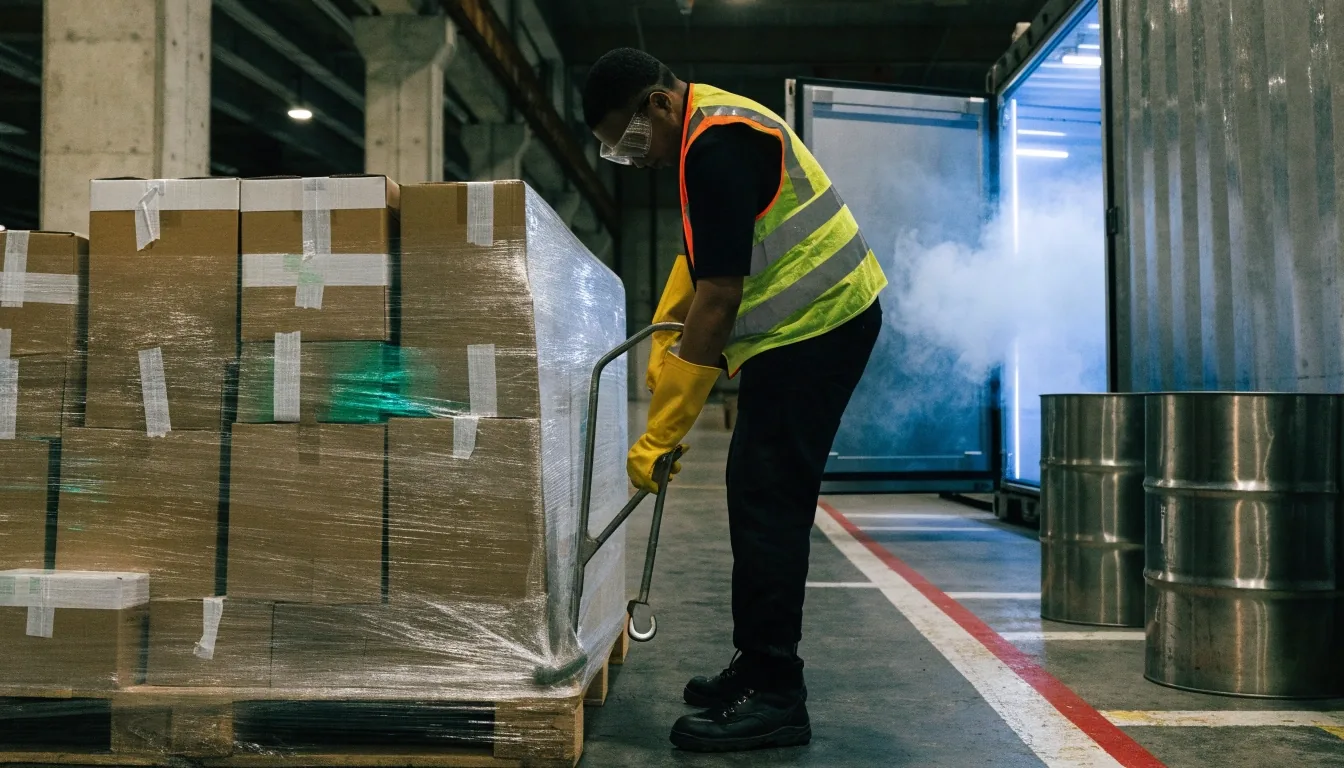
When compliance needs extra time
Chemicals, food, pharmaceuticals, and controlled goods attract additional checks. Chemical cargo may need safety data sheets and specific handling declarations. Food and plant products may need inspection on arrival.
If your goods fall into one of these categories, build the extra time into your schedule rather than assuming the standard clearance window. We will tell you where the likely delays sit, and which of them you can influence by having documents ready earlier.
-
Chemicals
Safety data sheets and handling declarations prepared before the container loads.
-
Food and plant products
Inspection on arrival, planned around your delivery commitments.
-
Pharmaceuticals
Additional checks that are easier to absorb when the schedule has slack.
-
Controlled goods
Licences and permissions confirmed before a sailing is booked, not after.
Keeping records and staying ready
Customs records need to be kept and produced on request. That means invoices, declarations, and proof of origin stored in a way you can retrieve them.
For recurring importers, we set up a document routine so each shipment follows the same pattern. It is less exciting than route planning, but it is what keeps audits and spot checks from becoming a scramble.
-
Step one
File the invoice, declaration, and proof of origin together for every consignment, under one naming pattern.
-
Step two
Keep the set retrievable for the retention period that applies to your goods and your registration.
-
Step three
Repeat the same routine on recurring shipments, so a spot check is answered from a folder rather than a search.
-
Step four
Review the routine when your goods, your trade lanes, or your registrations change.
Questions we get before a first shipment
Short answers to the points that come up most often when a consignment is being prepared for Belgian customs.
When should I send the shipment details?
Before the container loads. Send the goods description, value, origin, and destination, and we will tell you what documentation and checks apply. Sorting it after arrival is where the avoidable delays come from.
Can you confirm whether my goods qualify for preferential duty?
Yes, where the origin rules allow it. Preference depends on proof of origin, so we check what your supplier can provide before the rate is claimed. We do not guess at classifications.
Does port state control affect my delivery window?
It can. An inspection that runs long, or a vessel held for deficiencies, shifts the schedule for everything on board. We plan around carriers and vessels less likely to run into that, and we build slack into tight windows.
How long do customs records need to be kept?
The retention period depends on your goods and registration, so we confirm it for your case rather than quoting a single number. What matters is that invoices, declarations, and proof of origin can be produced on request.
Do you handle both imports and exports?
Yes. Declarations run in both directions, and the document set differs by direction and by goods. Tell us which way the cargo is moving and we will list what applies.
Who you are dealing with
Management
- De Wilde Lindsay
- De Groote Ellen
Registration
Company registration number 1124863567
Pacific Ocean Shipping & Solutions, Raveschoot 22, 9080 Lochristi, Belgium
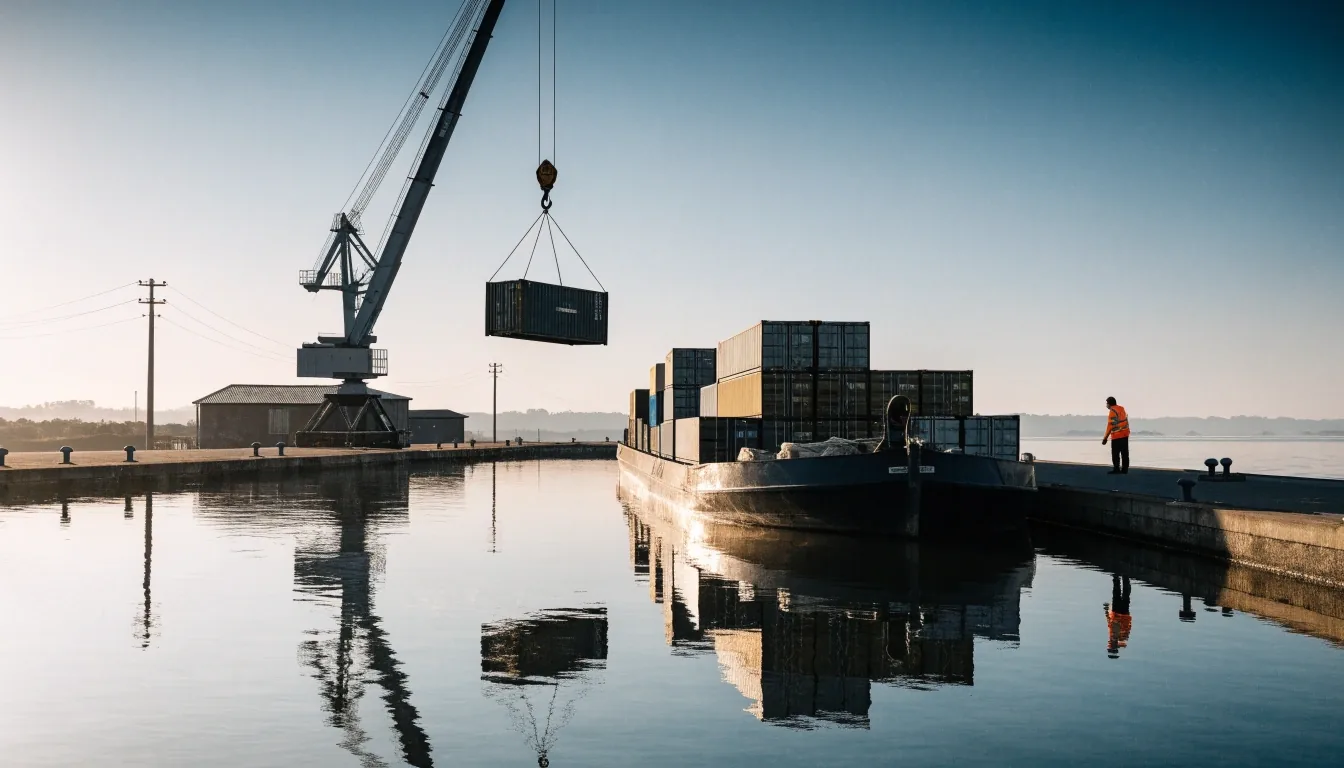
Preparing before the cargo moves
The best time to sort customs is before the container loads, not after it arrives. Send us the goods description, value, origin, and destination, and we will tell you what documentation and checks apply. We can also confirm whether your goods qualify for preferential treatment. Getting this right at the start removes the main source of border delays.
Reach the compliance desk Monday to Friday, 9:00 AM – 6:00 PM, at +32 9 981 59 03 or [email protected].