Ocean freight and forwarding
Ocean freight and forwarding for Belgian cargo
Ocean freight is the sea leg. Forwarding is everything that makes it work: booking, documentation, consolidation, and the handover to inland transport.
Two halves of one shipment, run by one team
This page explains how we organise ocean freight and forwarding for import and export cargo moving through Belgian ports, so you can judge whether your shipment fits the service. You send the cargo details and the deadline; we confirm the mode, the port, and the sailing, prepare the documents, and book the container.
Once the box loads, we track it through the sea leg and coordinate the handover to inland transport. For recurring flows we set the plan up once and reuse it, adjusting only when volumes or routes change.
What forwarding covers
- Booking with the carrier and confirming the sailing
- Consolidation before the sea leg, deconsolidation after it
- Bills of lading, packing lists, commercial invoices, certificates
- Handover to inland transport once the container is released
FCL and LCL: picking the right container setup
FCL means you book a full container and it carries only your cargo. LCL means your consignment shares container space with others, which suits smaller volumes that don't justify a whole box. The break-even depends on volume, weight, and how the goods handle — so we look at your shipment before recommending either.
Full container load
Your cargo fills a box on its own. Fewer handovers, one set of documents for one consignment, and the container is sealed from loading until it is opened at destination.
- Best when
- Volumes are steady and fill most of a box
- Handling
- Loaded once, sealed, opened at destination
- Watch out for
- Paying for space your goods don't use
Less than container load
Your consignment shares container space with others. It suits smaller volumes, mixed shipments, and goods that don't justify a whole box — and it can bridge the gap between full loads when your volumes fluctuate.
- Best when
- Volumes are modest or irregular
- Handling
- Consolidated before sailing, split again on arrival
- Watch out for
- Slightly longer transit while the box fills
We'll tell you which one makes sense for your shipment rather than defaulting to the more expensive option.
Consolidation and deconsolidation
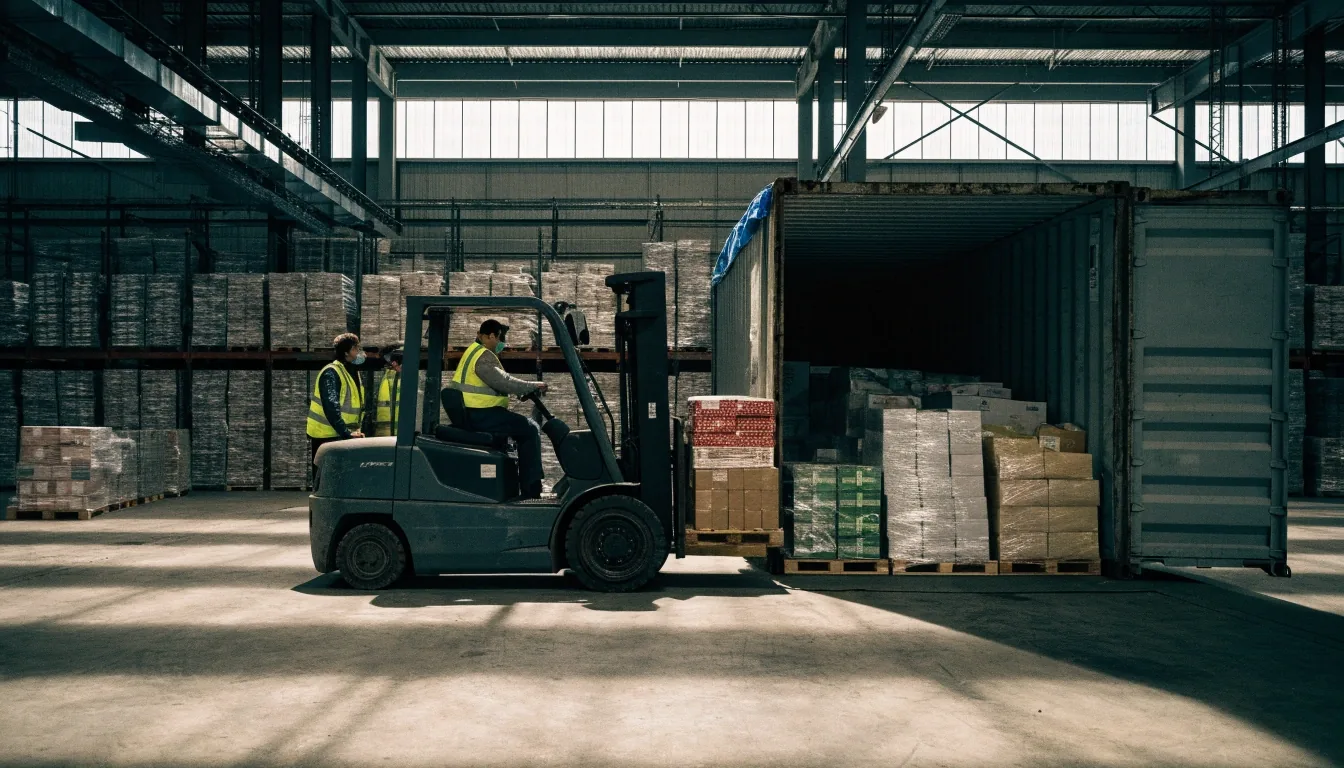
Consolidation combines several smaller consignments into one container load, usually at a warehouse before the sea leg. Deconsolidation splits that load again at the destination port or an inland facility. This is standard contract logistics work, and it's how LCL shipments move without each shipper paying for a full box.
For Belgian importers, it often means cargo arrives at a deconsolidation point near the port and then goes inland as separate deliveries. If your goods need to be grouped by destination, release date, or customer, that grouping happens here rather than after everything has already left the terminal.
Before the sea leg
Grouping the load
Smaller consignments are received, checked, and packed into one container at the consolidation warehouse. Labels and counts are confirmed while the goods are still in reach.
After the sea leg
Splitting it again
The load is split at the port or an inland facility, then released to each consignee as separate deliveries instead of one combined release.
Booking and carrier coordination
We manage the booking with the carrier, confirm the sailing, and track the container through the port. That includes the containertrafiek around the terminal and any overslag if the cargo changes vessel. If a sailing slips or a terminal gets congested, you hear it from us rather than discovering it at the gate.
One contact for the carrier relationship saves you from reconciling updates from several sources. When something changes mid-voyage, you get one version of events and one plan for the inland leg that follows.
Ports we route through
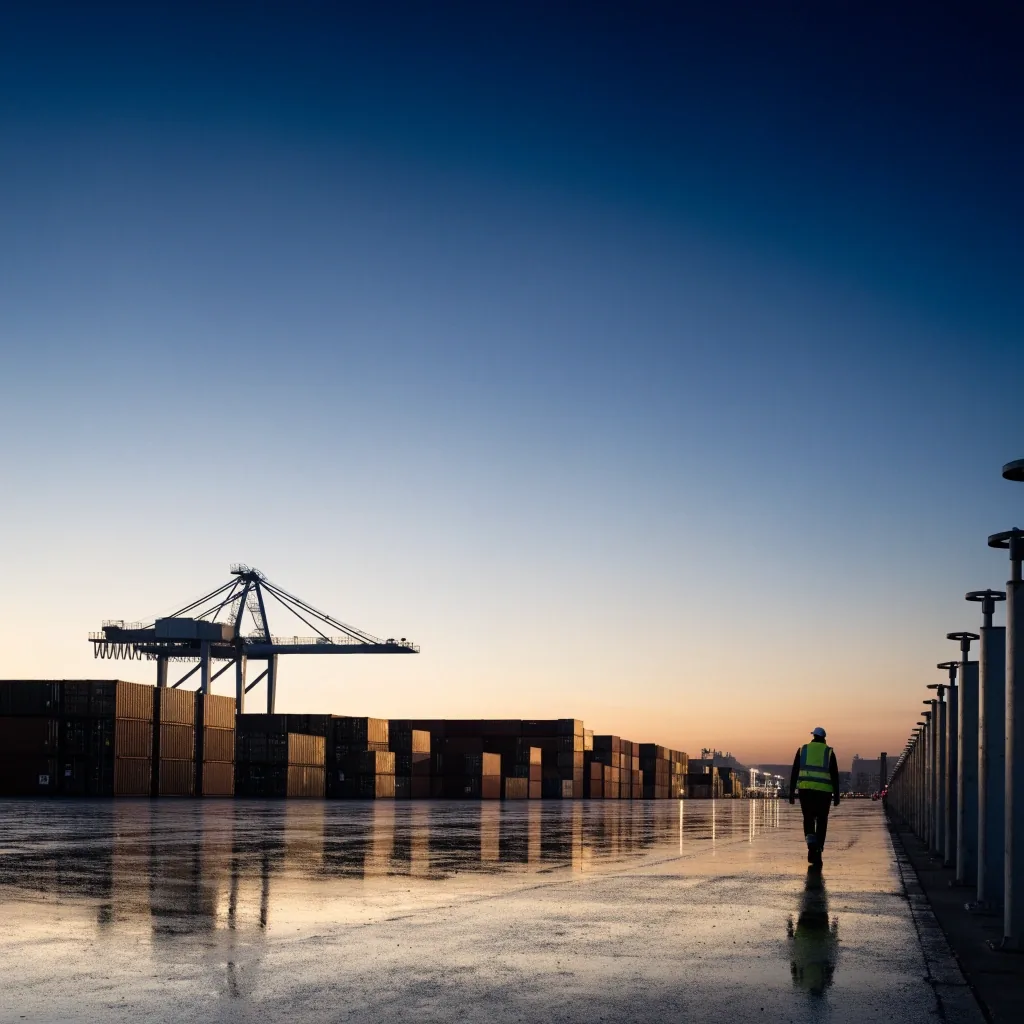
Most Belgian ocean freight moves through Antwerp-Bruges or Zeebrugge. Antwerp-Bruges is central to European trade and handles large container and chemical volumes. Zeebrugge specialises in ro-ro and vehicle logistics, with a car terminal that handles significant global traffic.
The right port depends on your cargo type, your carrier's schedule, and where the goods are going next. We'll say plainly when a port is a poor fit for your shipment.
Working hours
Monday to Friday, 9:00 AM – 6:00 PM. Raveschoot 22, 9080 Lochristi, Belgium.
Contact the teamDocumentation for import and export
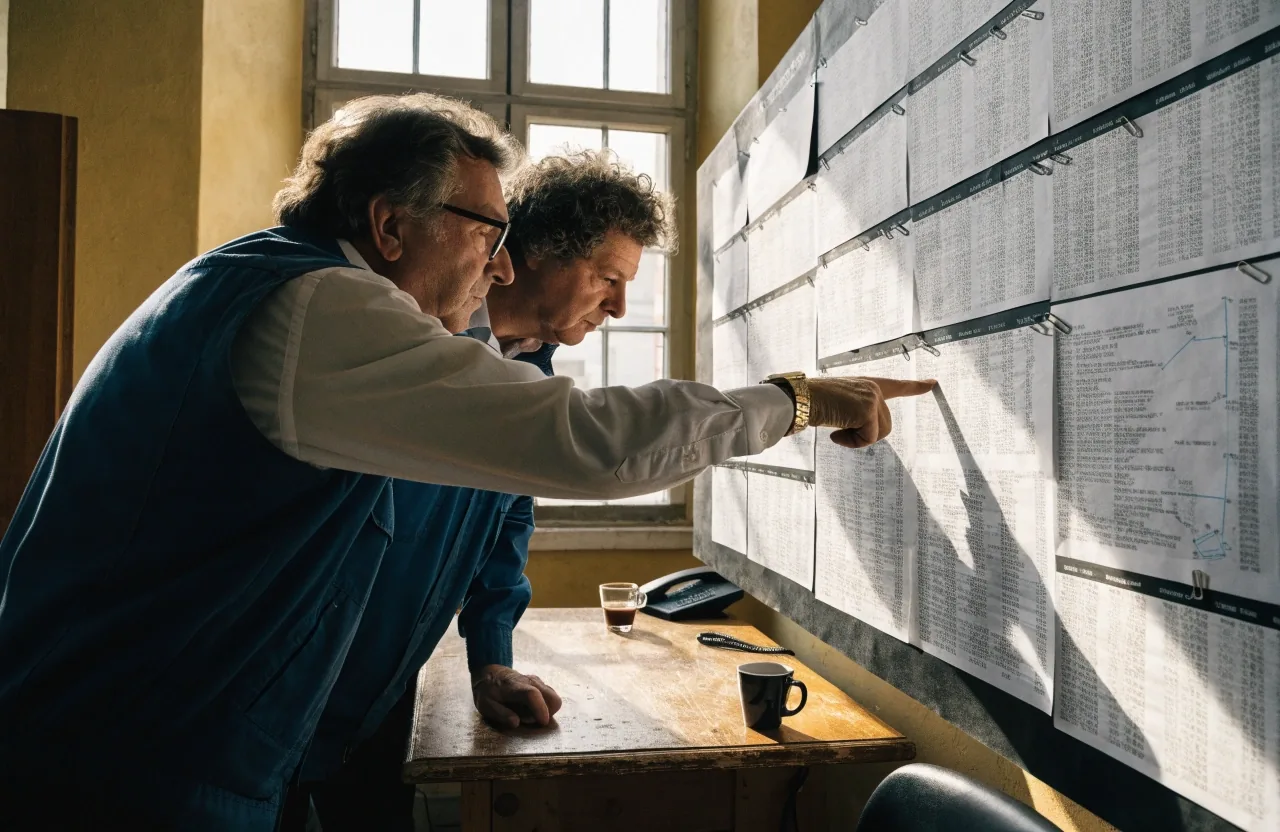
Ocean freight generates paperwork: bills of lading, packing lists, commercial invoices, and certificates where the goods require them. Getting these right before the container loads avoids the delays that come from correcting documents mid-voyage.
Bill of lading
The carrier's receipt and the document that controls release of the cargo.
Packing list
What is inside the box, in what quantity, and how it is packed.
Commercial invoice
The value and sale terms customs and the carrier both need.
Certificates
Required for certain goods before the container can load.
We prepare the set and tell you which items you need to supply. Belgian douaneformaliteiten are covered on the customs page, but they start here, with the documents that travel with the cargo.
Customs and complianceWhen your cargo isn't standard
Out-of-gauge, hazardous, or temperature-controlled cargo needs more than a standard booking. Flag these at the enquiry stage, because they change the quote and the timeline.
Hazardous goods
These require declarations and often a specific stowage plan. The class of the goods decides which vessels can carry them and where they may sit in the stack, so the booking starts with the declaration.
Out of gauge
Oversized items may need special equipment or a different vessel. If it doesn't fit a standard box, tell us the dimensions and weight early so we can look at flat racks and open tops.
Cold chain
Reefer container plus an inland plan that keeps the temperature steady from port to delivery.
Freight forwarding in a digital era
Belgium's forwarding sector, represented by Forward Belgium, now works with digital platforms that track shipments and documents in near real time. That visibility matters when a container is delayed and you need to replan the inland leg.
We keep shipment status accessible so you're not waiting on a phone call to find out where things stand. If you use your own tracking system, we feed into it rather than asking you to check a second one.
How an ocean freight booking runs
-
1
Send the details
Cargo details and the deadline. Include weight, dimensions, and anything non-standard.
-
2
Confirm the plan
We confirm the mode (FCL or LCL), the port, and the sailing before anything is booked.
-
3
Prepare and book
We prepare the documents and book the container with the carrier.
-
4
Track and hand over
We track the sea leg and coordinate the handover to inland transport. For recurring flows, we set the plan up once and reuse it.
Questions before you book
How do I know if my shipment should go FCL or LCL?
It comes down to volume, weight, and how the goods handle. Send us the details and we'll say which setup fits, including when LCL is the cheaper route and when it isn't.
Who prepares the bills of lading and other documents?
We prepare the set and tell you which items you need to supply. Anything that needs a certificate is flagged before the container loads, not after.
Which Belgian port will my cargo use?
Most often Antwerp-Bruges or Zeebrugge. The choice follows your cargo type, your carrier's schedule, and where the goods go next. If a port is a poor fit, we'll say so.
Can you handle a recurring import or export flow?
Yes. For recurring flows we set the plan up once and reuse it, adjusting only when volumes or routes change. That keeps the documents and the inland handover predictable.
What about customs clearance?
Belgian douaneformaliteiten start with the documents that travel with the cargo and are covered in more detail on our customs and compliance page.
Tell us the cargo and the deadline
We'll confirm the mode, the port, and the sailing, then prepare the documents and book the container. Recurring flows can be planned once and reused.
Pacific Ocean Shipping & Solutions
Raveschoot 22, 9080 Lochristi, Belgium
Monday to Friday, 9:00 AM – 6:00 PM
Company registration number 1124863567
Management
De Wilde Lindsay
De Groote Ellen