+32 9 981 59 03

Monday to Friday, 9:00 AM – 6:00 PM

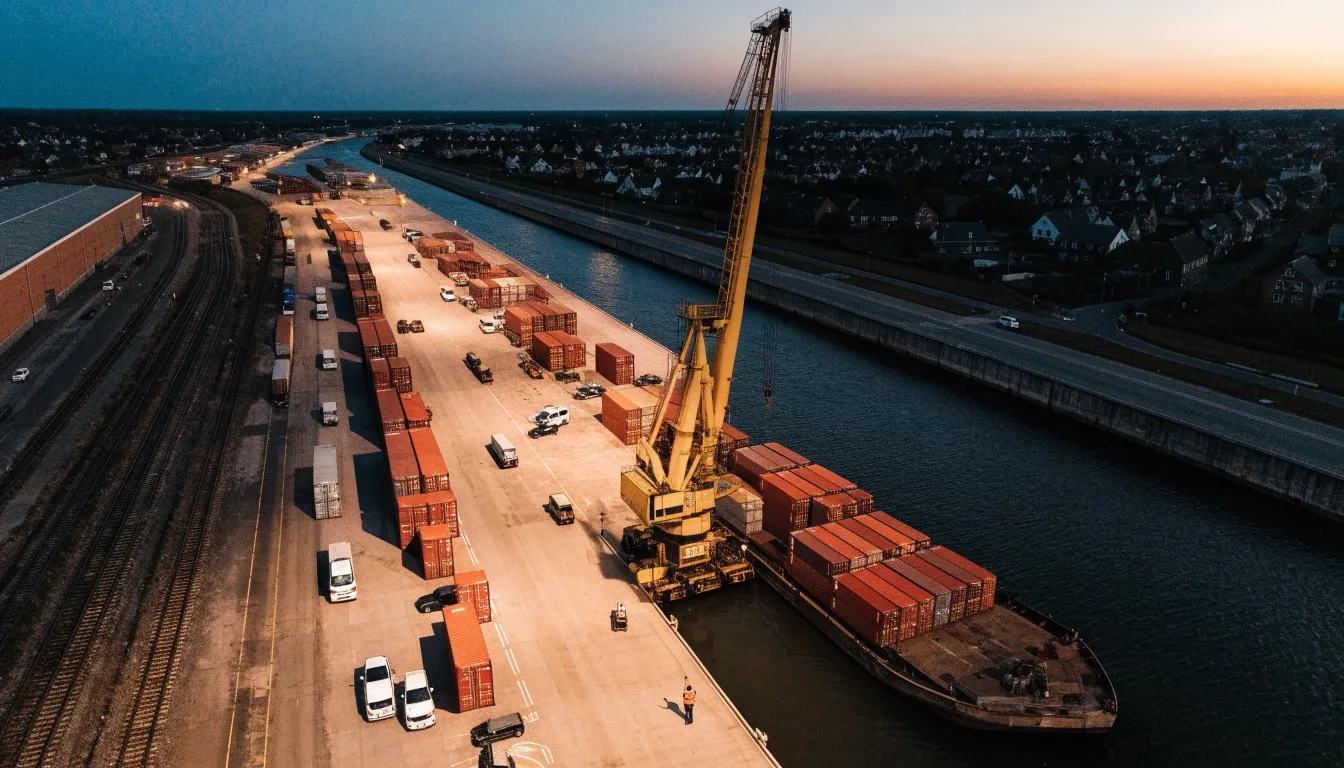
Container terminal in a Belgian seaport with cranes loading containers onto a barge

Hinterland distribution and warehousing

From Belgian ports to the inland market

Getting cargo off the ship is half the job. The other half is moving it inland, storing it if needed, and delivering it on time. This page explains how we handle hinterland distribution from Belgian ports by road, barge, and rail, and where warehousing and cold chain fit in.

Why hinterland connectivity matters

Belgian ports connect to inland markets by road, rail, and river, and that connectivity is described as a core strength of the country's logistics system. For an importer distributing across Europe, it means the port is not the end of the journey but the start of a short one.

The inland leg is where deadlines are won or lost, especially for time-sensitive and high-value goods. A good sea leg with a poor inland plan still delivers late. That is why we plan the inland move alongside the booking, not after the container has already been discharged.

A good sea leg with a poor inland plan still delivers late.

Every inland decision comes back to one question: which mode gets your cargo to the right address, at the right time, for the right cost. Road, barge, and rail each answer that question differently.

Choosing between road, barge, and rail

Road is essential for first-mile and last-mile movement and often the only practical option for short inland runs. Barge suits bulk and container volumes heading to inland terminals along the waterways. Rail works for longer distances and heavier flows where a fixed schedule is acceptable. We compare the three against your deadline and destination, then recommend one. Multimodaal vervoer works best when the mode is chosen for the cargo, not by habit.

Road

First & last mile

Trucking connects the terminal to the door. It is the most direct option for short inland runs, for delivery windows that cannot wait for a fixed schedule, and for addresses far from a waterway or railhead. We match equipment to the cargo — tautliner, flatbed, or a temperature-controlled trailer — and keep the driver informed of the receiving hours before pickup.
Barge

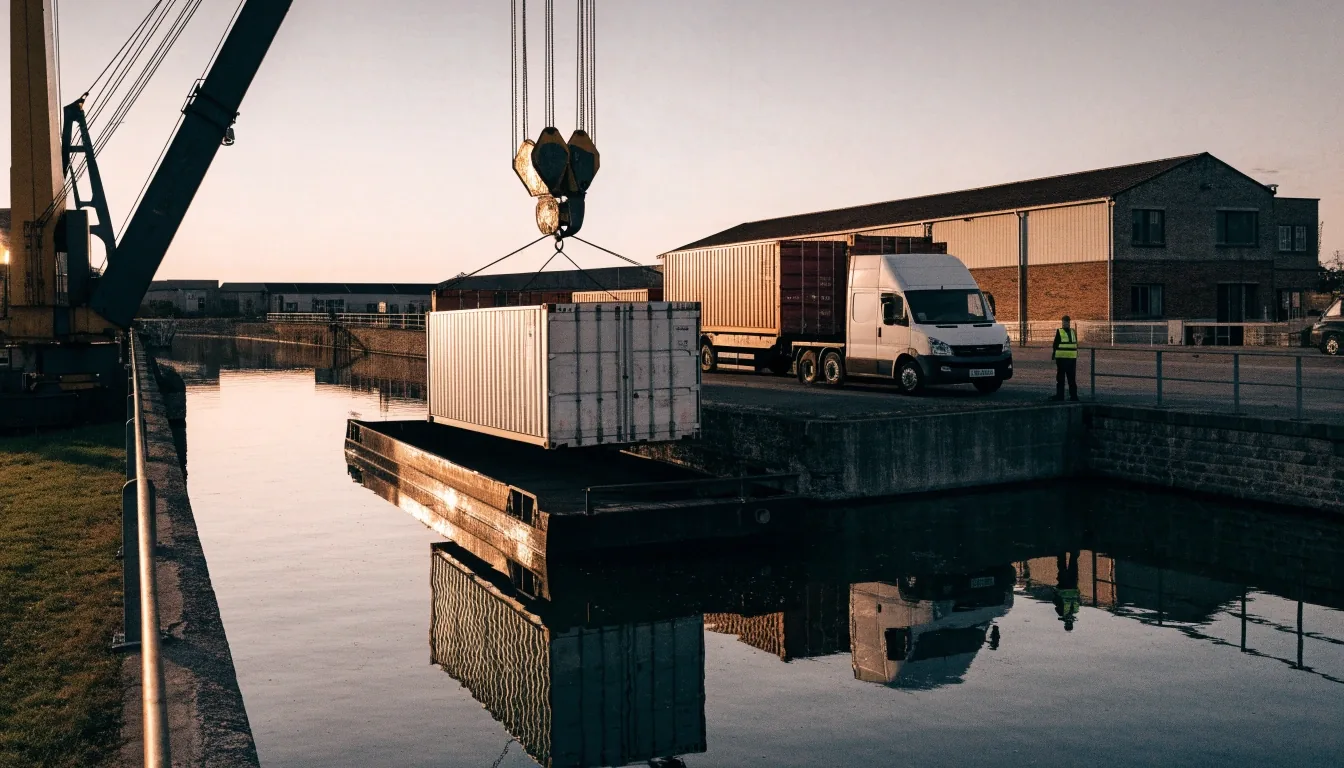
Inland waterway transport, or binnenvaart, moves container and bulk cargo from Belgian seaports to inland terminals along the river network. It is often cheaper than road for large volumes and takes pressure off congested routes. The trade-off is schedule flexibility and terminal access.

Rail

Rail suits longer distances and heavier flows where a fixed schedule is acceptable. It works well when your volumes are steady and your destination sits near a rail terminal. Planning rail means committing to departure windows early, so it rewards importers who can forecast their inland demand.

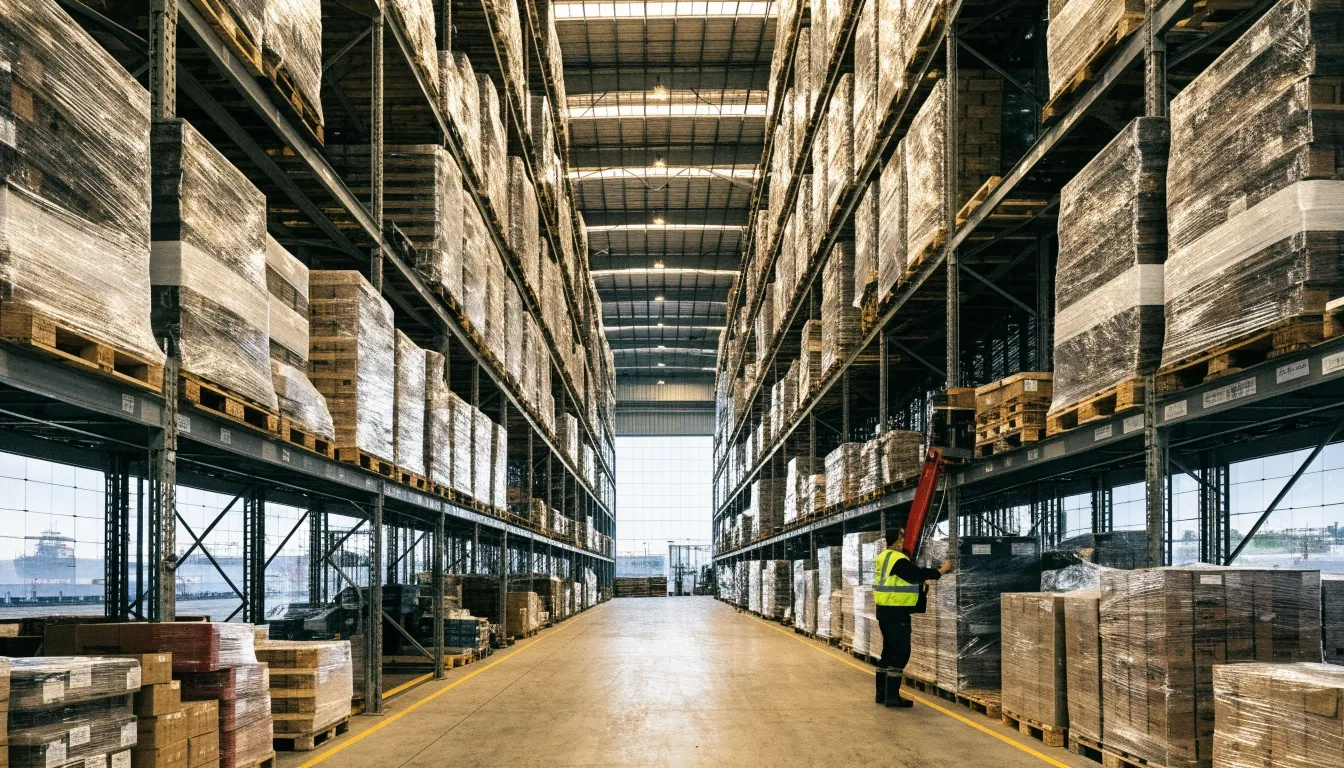
Interior of a distribution warehouse with racked pallets and a forklift in the aisle

Warehousing after arrival

Not every consignment goes straight to its final destination. Some needs storage, order picking, or a change of packaging before it moves on. Warehousing near the port lets you defer the inland leg until you know where the goods are needed.

Deferred distribution

That flexibility matters for importers holding stock across several markets. Goods can be stored, then released to whichever market needs them first, instead of being committed to a single inland route the moment the ship docks.

Handling and repacking

Order picking, labelling, and a change of packaging happen before the goods move on, so the final leg delivers what the buyer actually ordered.

One plan

We coordinate the storage and the onward delivery as one plan, with a single point of contact across both.

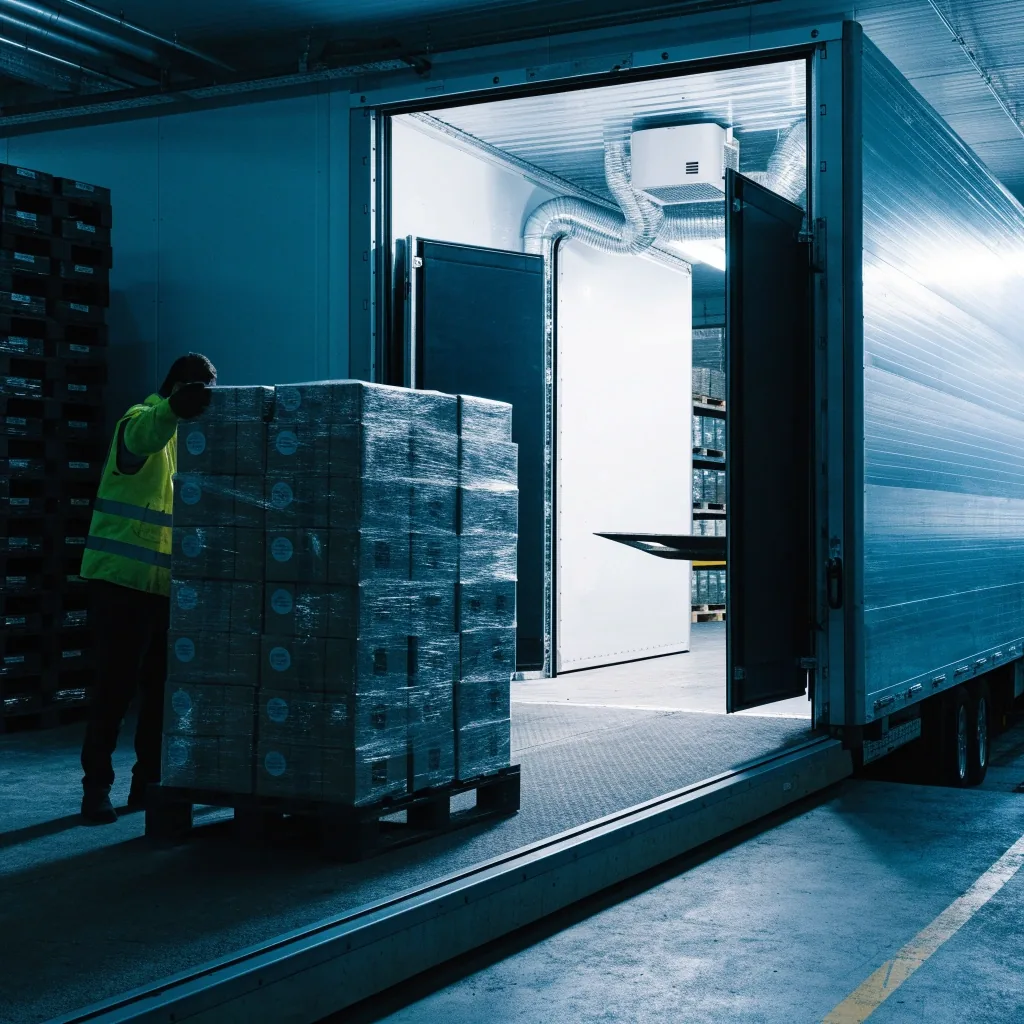
Refrigerated trailer at a cold-store loading dock with a worker guiding a pallet

Cold chain and temperature-controlled goods

Food, pharmaceuticals, and some chemicals need an unbroken koelketen from quay to delivery. That means a reefer container at sea, temperature-controlled storage on land, and a vehicle that maintains the range on the final leg. Any gap in the chain can spoil the cargo.

We plan the whole sequence so the temperature holds, and we flag where the risk is highest. The handover points — quay to storage, storage to trailer, trailer to receiving dock — are where the chain is most exposed, so we build the plan around keeping those transitions short and monitored.

Discuss cold chain handling

Binnenvaart and inland terminals

Inland waterway transport moves container and bulk cargo from Belgian seaports to inland terminals along the river network. If your destination is near a waterway and your volumes are steady, barge is worth comparing against road before you commit.

Best for
Steady container and bulk volumes heading to an inland terminal on the waterway.
Advantage
Often cheaper than road for large volumes, and it takes pressure off congested road routes.
Trade-off
Less schedule flexibility, and the destination needs to sit near a working terminal.

Time-sensitive and high-value cargo

High-value goods need more than a fast route. They need a plan that accounts for handling, security, and the cost of a delay. For these consignments, we build in alternatives for the legs most likely to be disrupted and keep the inland plan flexible. Time-sensitive cargo gets the same treatment: the schedule has slack where it is needed and firm commitments where it is not.

  • Alternatives held open for the legs most likely to be disrupted, so a single delay does not derail the whole delivery.

  • Handling and security considered from the terminal onward, not added after the cargo is already on the road.

  • Slack placed where a delay would be cheapest to absorb, and firm commitments where the deadline is real.

  • The cost of a delay weighed into the plan, so the fastest route is only chosen when it is also the right one.

Planning the inland leg before arrival

The inland plan should be ready before the ship docks, not after. That means knowing the delivery address, the receiving hours, and the equipment needed at the other end. Send us those details with the cargo information, and we line up the transport so the container does not sit at the terminal waiting for a decision. It is the simplest way to avoid avoidable storage charges.

  1. 1

    Send the delivery details

    Delivery address, receiving hours, and the equipment needed at the other end. The more precise the details, the better the plan.

  2. 2

    We compare the modes

    Road, barge, and rail are weighed against your deadline and destination, and we recommend one with the reasoning behind it.

  3. 3

    Transport is lined up

    Equipment is booked before the ship docks, so the container moves on arrival instead of waiting at the terminal.

Questions importers ask us

When should I book the inland leg?

As early as possible — ideally with the booking, not after discharge. The inland plan should be ready before the ship docks, so the container does not sit at the terminal waiting for a decision.

How do you decide between road and barge?

We compare the destination, the volume, and the deadline. Barge works when the volume is steady and the destination sits near a waterway; road is more direct when the receiving window is tight or the address is far from a terminal.

Can warehousing be added to an existing shipment?

Yes. Storage near the port lets you defer the inland leg until you know where the goods are needed. We coordinate the storage and the onward delivery as one plan.

What details do you need for a cold chain move?

The temperature range the cargo must hold, the delivery address, and the receiving hours. We plan the reefer container, the temperature-controlled storage, and the final-leg vehicle as one sequence so the range is maintained throughout.

Inland waterway barge loaded with containers moving along a Belgian canal at dusk

Ready to plan the inland leg?

Send us the delivery address, the receiving hours, and the equipment you need at the other end. We will compare road, barge, and rail against your deadline and come back with a plan.

Pacific Ocean Shipping & Solutions

Raveschoot 22
9080 Lochristi, Belgium

+32 9 981 59 03
[email protected]

Monday to Friday, 9:00 AM – 6:00 PM

Management: De Wilde Lindsay, De Groote Ellen
Company registration number: 1124863567