Cargo types and how they move
How different cargo types move through Belgian ports
Chemicals, steel, vehicles, food, and temperature-controlled goods each move differently. The port, the handling, and the paperwork change with the cargo. This page shows how we handle sector-specific flows through Belgian ports and the inland links that follow.
The cargo decides the route, not the destination
Two shipments can be bound for the same city and still need different ports, different vessels, and different trucks. The same destination can be reached by different ports and modes depending on the cargo. A container of electronics and a consignment of steel coils won't follow the same path even if they end up in the same warehouse. We match the port, the vessel type, and the inland mode to the goods. That's how a route plan stays realistic rather than theoretical.
Five flow families cover most of what moves through Belgian ports, and each has its own handling rules, its own paperwork, and its own equipment list. Below, we walk through each one so you can see where your cargo fits before you ask us for a plan.
Comparing the five flow families at a glance
A quick side-by-side of where each cargo type typically lands, what handling it needs, and which inland mode usually follows.
| Cargo family | Typical Belgian port | Handling focus | Inland link |
|---|---|---|---|
| Chemicals | Antwerp | Tank and specialised handling, safety data sheets, hazard classification | Road tanker or rail to inland plants |
| Steel and industrial | Antwerp, Ghent | Breakbulk cranes, coil cradles, out-of-gauge equipment | Heavy-duty road, barge, or rail |
| Vehicles and ro-ro | Zeebrugge | Ro-ro ramps, vehicle compounds, trailer movements | Car transporters and continental distribution |
| Food and agricultural | Antwerp, Zeebrugge, Ghent | Inspection on arrival, health and phytosanitary paperwork | Reefer truck or temperature-controlled warehouse |
| Temperature-controlled and pharma | Antwerp, Brussels area | Reefer containers, monitored storage, validated handovers | Monitored vehicles with continuous temperature logs |
Ports shown are the usual starting points. Your specific consignment may route differently — we confirm the actual port and mode once we know the goods.
Chemical flows
Chemicals and the Antwerp cluster
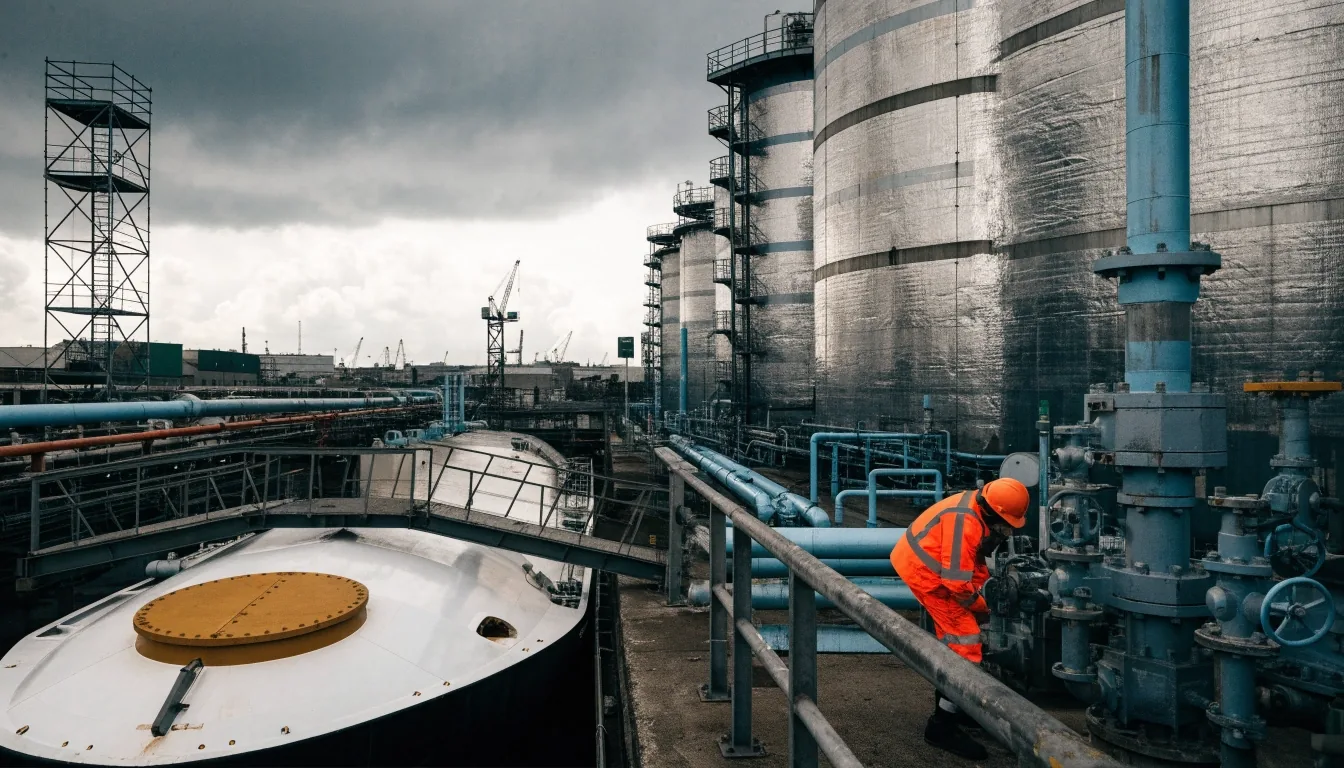
Antwerp is home to one of the world's largest chemical clusters, which makes it a natural entry and exit point for chemical cargo. That concentration means specialised handling, storage, and safety procedures are available close to the quay. Chemical shipments need safety data sheets and often specific declarations before they move. If your cargo is hazardous, the classification and stowage plan come first.
In practice that means we start with the safety data sheet and the classification, then book the terminal slot and the tank or warehouse that matches the hazard class. Only after those are confirmed do we lock the vessel and the inland leg. Getting that sequence right keeps the shipment inside the rules and avoids re-handling at the quay.
- Safety data sheets and hazard classification reviewed before booking
- Stowage plan and segregation checked against the vessel's requirements
- Tank and storage booked close to the quay to avoid extra transfers
Heavy and out-of-gauge cargo
Steel and industrial cargo
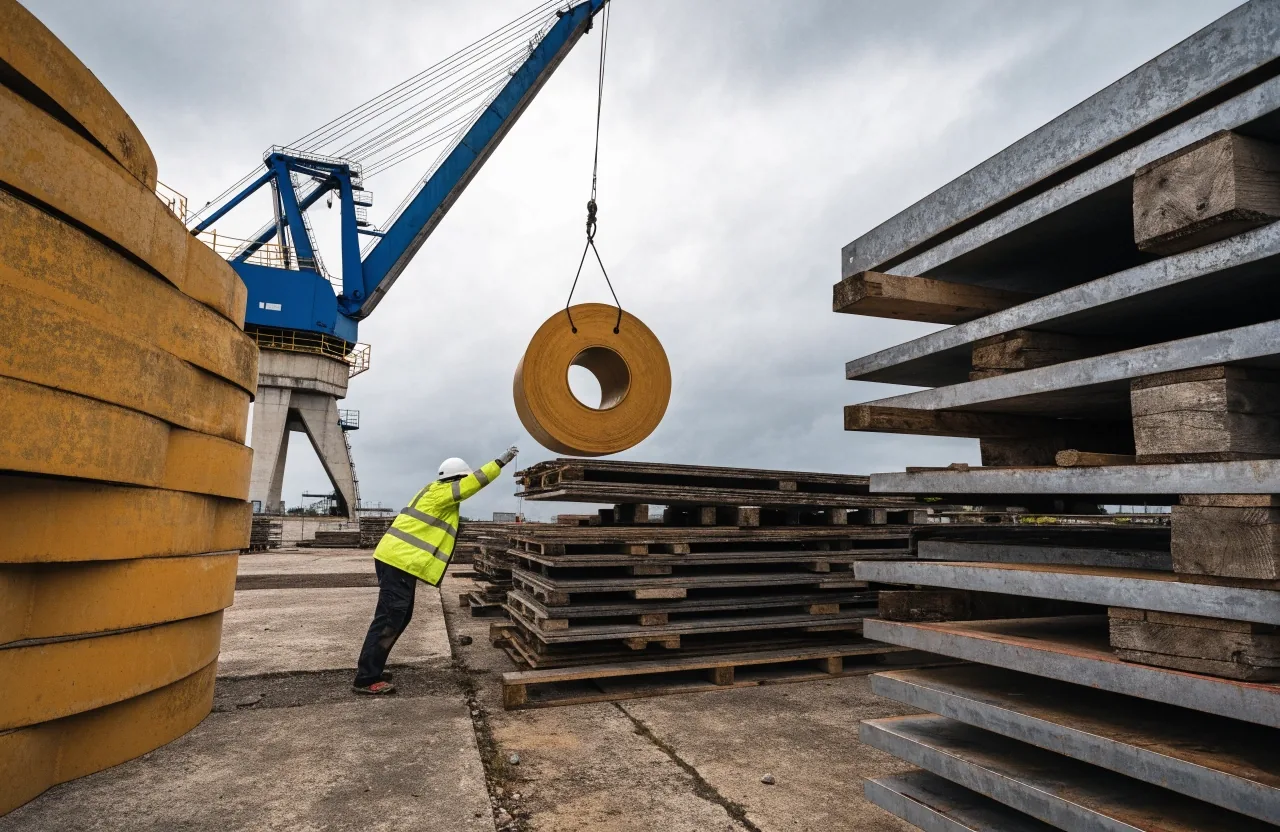
Steel coils, plates, and machinery are heavy, often out-of-gauge, and sensitive to handling damage. They may move as breakbulk rather than in containers, which changes the equipment and the port facilities involved. The inland leg needs vehicles rated for the weight and cranes at the other end. We plan the handling sequence so the cargo isn't double-handled unnecessarily.
Before we quote, we ask for the piece weight, the dimensions, and the lifting points. Those three numbers decide the crane class, the cradle or dunnage, and whether the delivery address can actually receive the load. If it can't, we say so before the vessel sails rather than after.
Roll-on roll-off flows
Vehicles and ro-ro through Zeebrugge
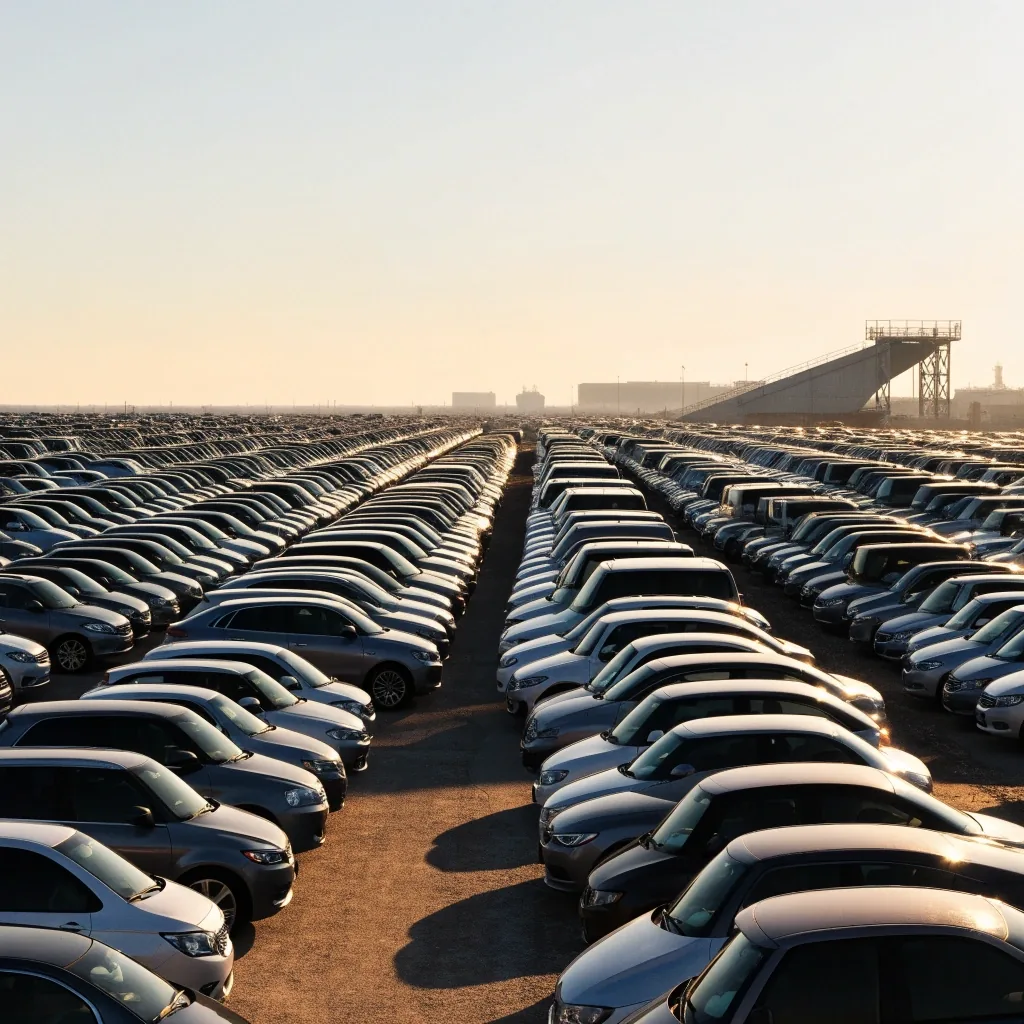
Zeebrugge has one of the world's largest car terminals, and vehicle logistics is a core specialisation of the Belgian port system. Ro-ro operations move vehicles and rolling equipment on and off ships under their own wheels or on trailers. From the port, vehicle flows connect to inland and continental distribution. Automotive supply chains depend on this handling being predictable, because a delay at the terminal ripples through production schedules.
When we plan a vehicle flow, the terminal compound, the sailing schedule, and the inland transporter are booked as one sequence rather than three separate bookings. That keeps the dwell time at the port short and keeps the arrival window at the plant honest.
Perishable and controlled flows
Food and agricultural products
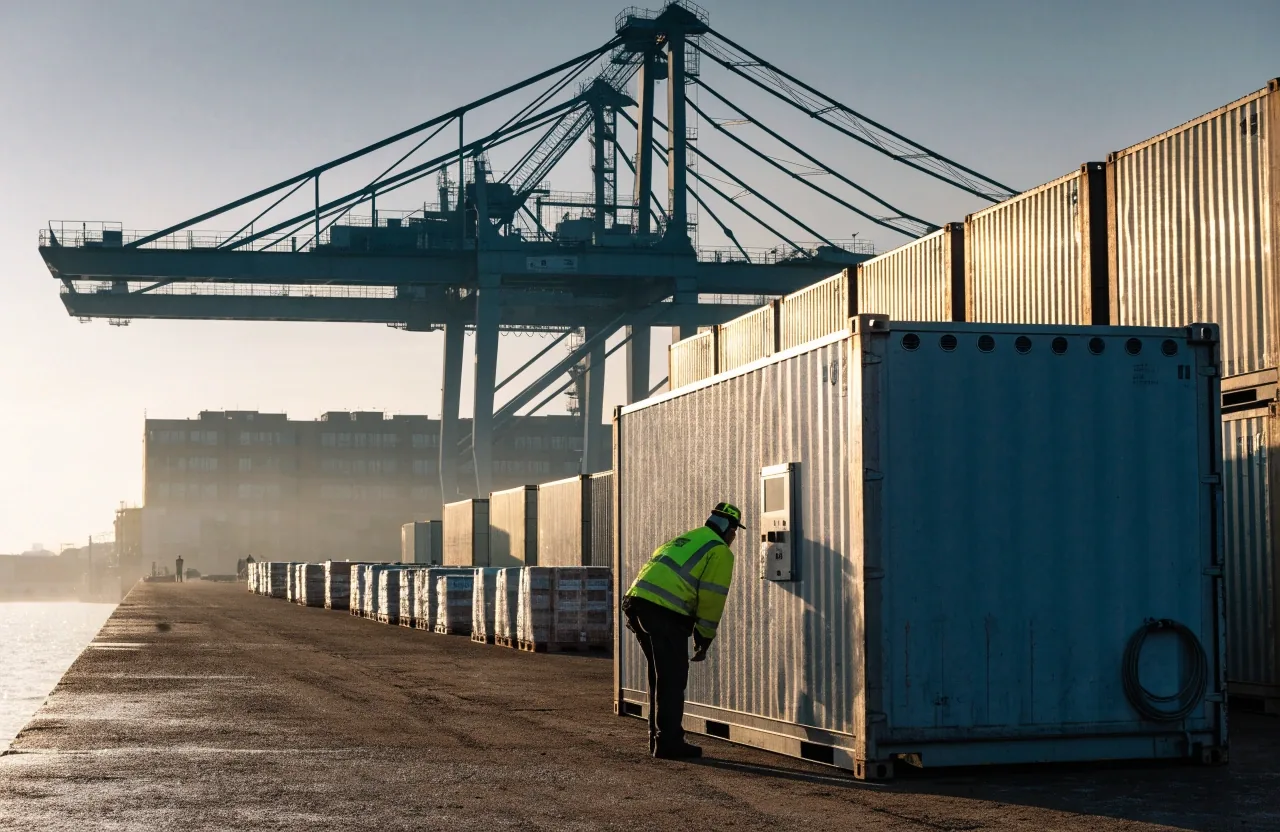
Food cargo often needs inspection on arrival and may require health or phytosanitary certificates. Temperature control matters for perishables, and the cold chain has to hold from the ship to the warehouse. Belgian ports handle significant food volumes, and the inspection infrastructure is set up for it. The paperwork and the temperature plan are what keep a food shipment moving.
We prepare the certificates before the vessel berths and confirm the inspection slot in advance, so the container is not waiting at the quay while documents catch up. For anything that needs to stay chilled or frozen, we also confirm the set point at every handover.
Strict temperature ranges
Temperature-controlled and pharmaceutical cargo
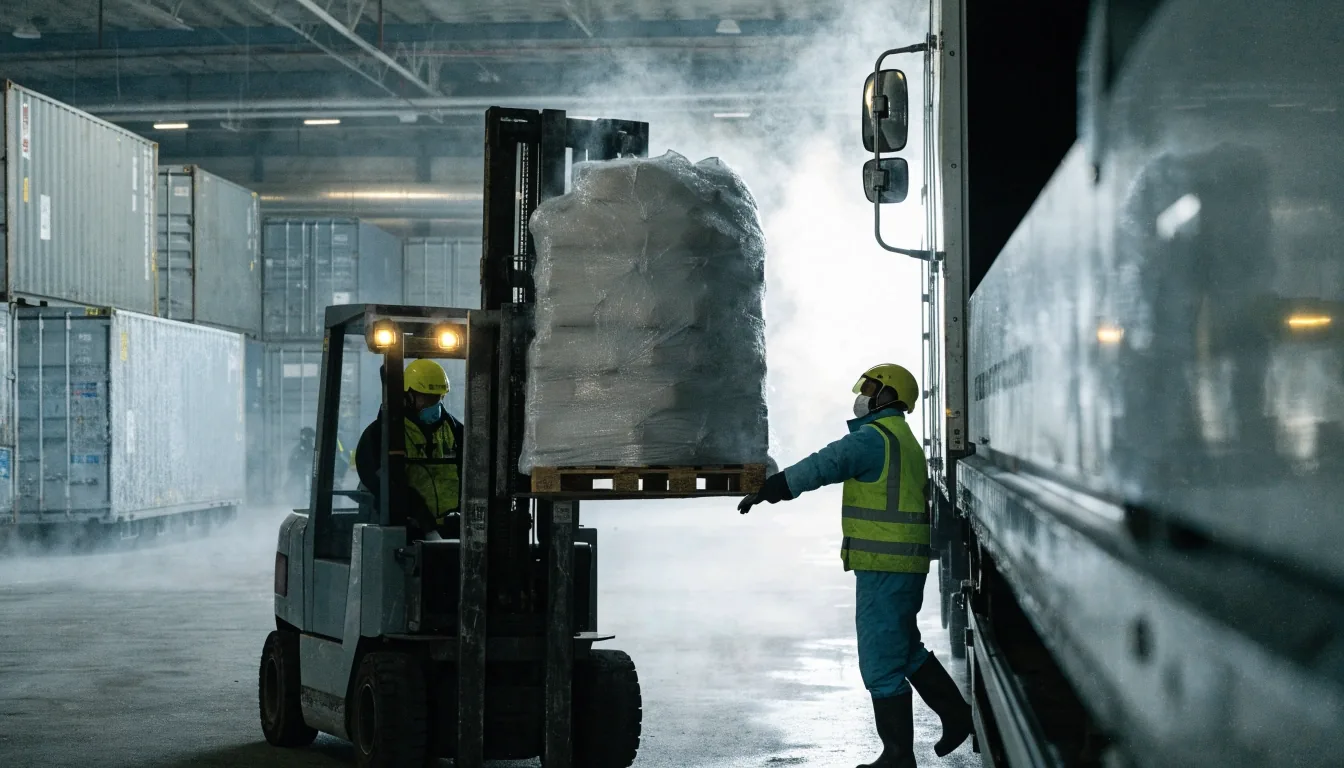
Pharmaceutical and some chemical cargo need strict temperature ranges, sometimes down to a narrow band. That means reefer containers at sea, controlled storage on land, and monitored vehicles on the final leg. Any break in the chain can make the cargo unusable. We plan the sequence so the temperature holds at every handover, and we identify where the risk is greatest.
The risk is usually at the handover points, not during the sailing. So we name each transfer in advance, agree who checks the reading, and keep a continuous log from the reefer plug to the final delivery.
Container, bulk, and breakbulk
Container cargo suits manufactured goods and palletised consignments. Bulk handles liquids, aggregates, and grains in large volumes without packaging. Breakbulk covers goods too large or awkward for a container, like machinery or steel structures. Each has its own port facilities and inland transport. Knowing which category your cargo falls into is the first step to a realistic plan.
If you are not sure which one applies, describe the goods in plain terms and we will tell you which category fits. Choosing the right one early usually saves money on the inland leg.
-
Container cargo
Manufactured goods, electronics, and palletised consignments. Standardised units make the inland leg simple to schedule, and the box can be tracked as one piece from quay to door.
-
Bulk cargo
Liquids, aggregates, and grains moved in large volumes without packaging. Needs dedicated terminal infrastructure and often a direct connection to the receiving plant.
-
Breakbulk cargo
Machinery, steel structures, and other loads too large or awkward for a container. Cranes, cradles, and lifting plans are part of the job from the start.
Matching the cargo to the route
The same destination can be reached by different ports and modes depending on the cargo. A container of electronics and a consignment of steel coils won't follow the same path even if they end up in the same city. We match the port, the vessel type, and the inland mode to the goods. That's how a route plan stays realistic rather than theoretical.
That also means we are willing to say when a port you had in mind is the wrong one for the goods. Better to hear it before the booking than after the cargo is loaded.
What we ask for first
Four details are enough to shape an initial plan. Everything else can follow once the goods are clear.
- 1 What the cargo is, and how it is packaged
- 2 Origin, destination, and how quickly it needs to arrive
- 3 Any temperature, hazard, or inspection requirement
- 4 Weights and dimensions if the goods are out of gauge
Getting a sector-specific plan
Tell us what you ship and where it needs to go. We'll come back with a route, a port, and a handling plan suited to that cargo type. If your goods need special equipment or inspections, we'll say so up front. Sector-specific planning is where the details matter most, so the more you tell us at the start, the better the plan.
We handle chemicals, steel, vehicles, food, and temperature-controlled cargo through Belgian ports and the inland links that follow. If your flow sits between two of those families, describe it anyway — most real consignments do.
Reach us directly
- Address
- Raveschoot 22, 9080 Lochristi, Belgium
- Phone
- +32 9 981 59 03
- [email protected]
- Working hours
- Monday to Friday, 9:00 AM – 6:00 PM
- Management
- De Wilde Lindsay, De Groote Ellen
- Registration number
- 1124863567
Questions we hear about sector flows
Does every chemical shipment need a hazard classification?
Only cargo classified as hazardous does, but that classification has to be confirmed before we book. We start with the safety data sheet and go from there. Non-hazardous chemical cargo still needs the usual commercial documents, just without the stowage plan.
Can steel coils move in a container?
Sometimes, if the weight fits the container's payload and the coils can be properly secured. Above that, breakbulk is usually the safer and cheaper option because the inland leg does not need a special container chassis. We compare both once we know the piece weight.
Why is Zeebrugge used for vehicle flows?
It has one of the world's largest car terminals, so ro-ro ramps, vehicle compounds, and frequent sailings are all in one place. That concentration is what makes vehicle logistics predictable there. It also means the terminal is busy, so booking the compound early matters.
What paperwork do food shipments need?
Food cargo often needs inspection on arrival and may require health or phytosanitary certificates, depending on the product and its origin. We prepare those before the vessel berths so the container is not held at the quay. If a certificate is missing, we tell you early rather than at the terminal gate.
Where does the cold chain usually break?
At handovers, not during the sailing. A reefer container holds its set point well at sea. The risk sits in the transfer to storage and the transfer to the final vehicle. That is why we name every handover in advance and agree who checks the reading.
Tell us what you ship
We'll come back with a route, a port, and a handling plan suited to that cargo type. If your goods need special equipment or inspections, we'll say so up front. The more you tell us at the start, the better the plan.